Dirt roads. Huts made of mud and sticks. Virtually no access to health care.
That's the reality of living in the Village of El Triunfo, Guatemala.
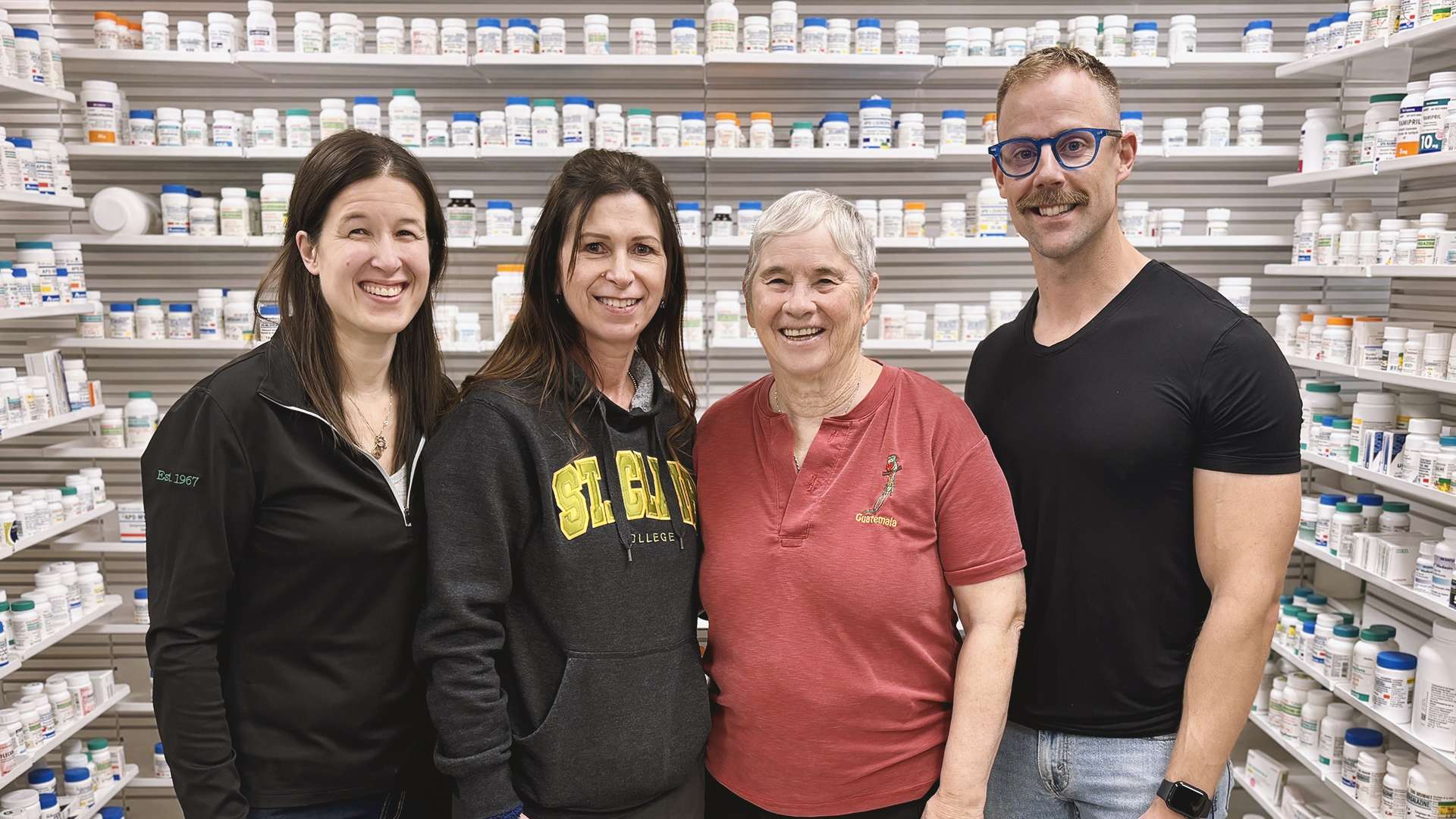
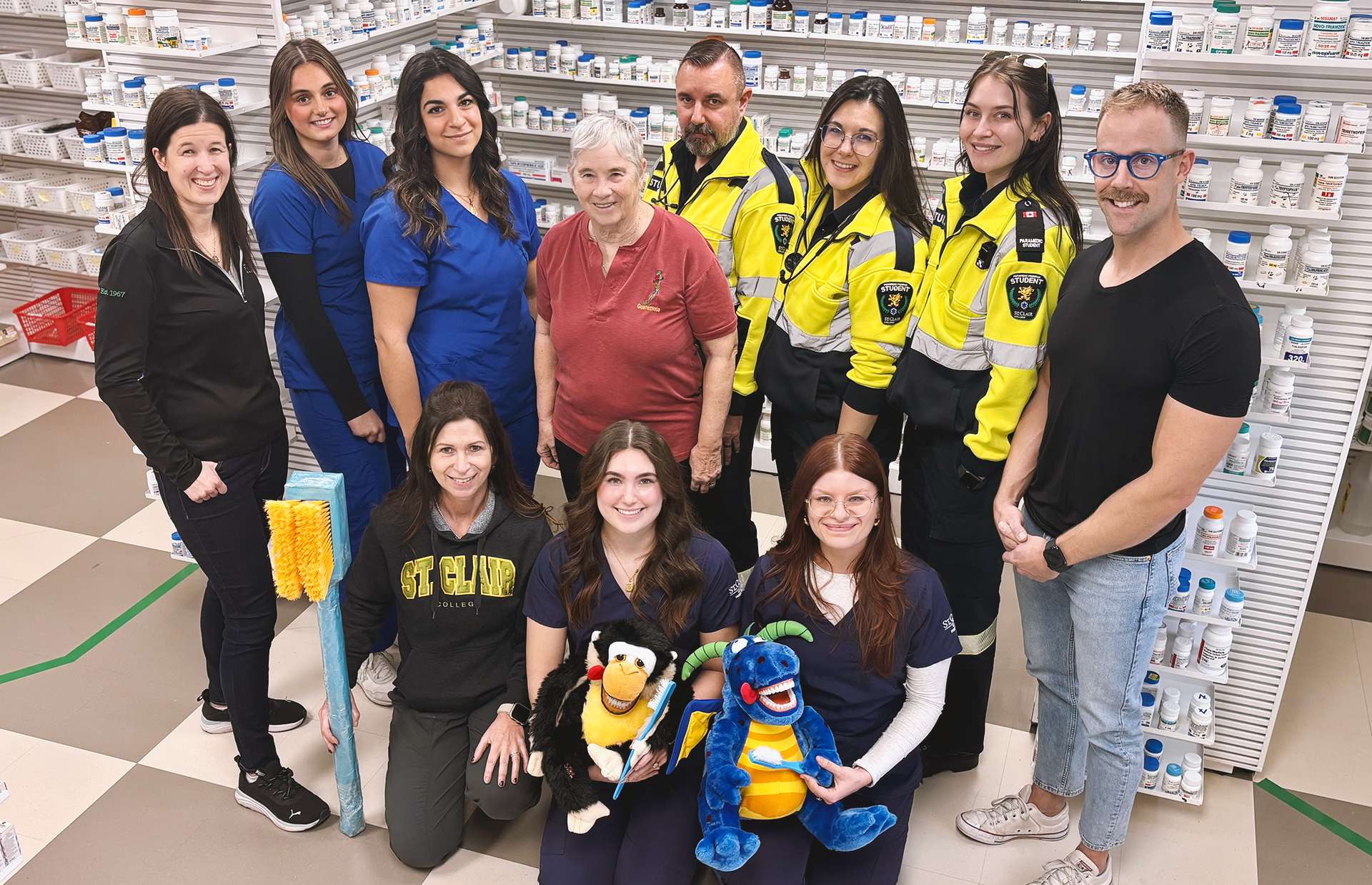
And in January 2026, seven hand-selected students from St. Clair College's Pharmacy Technician, Paramedic and Dental Hygiene programs will get the experiential lesson of a lifetime, providing essential health care to more than 1,100 people in the remote village.
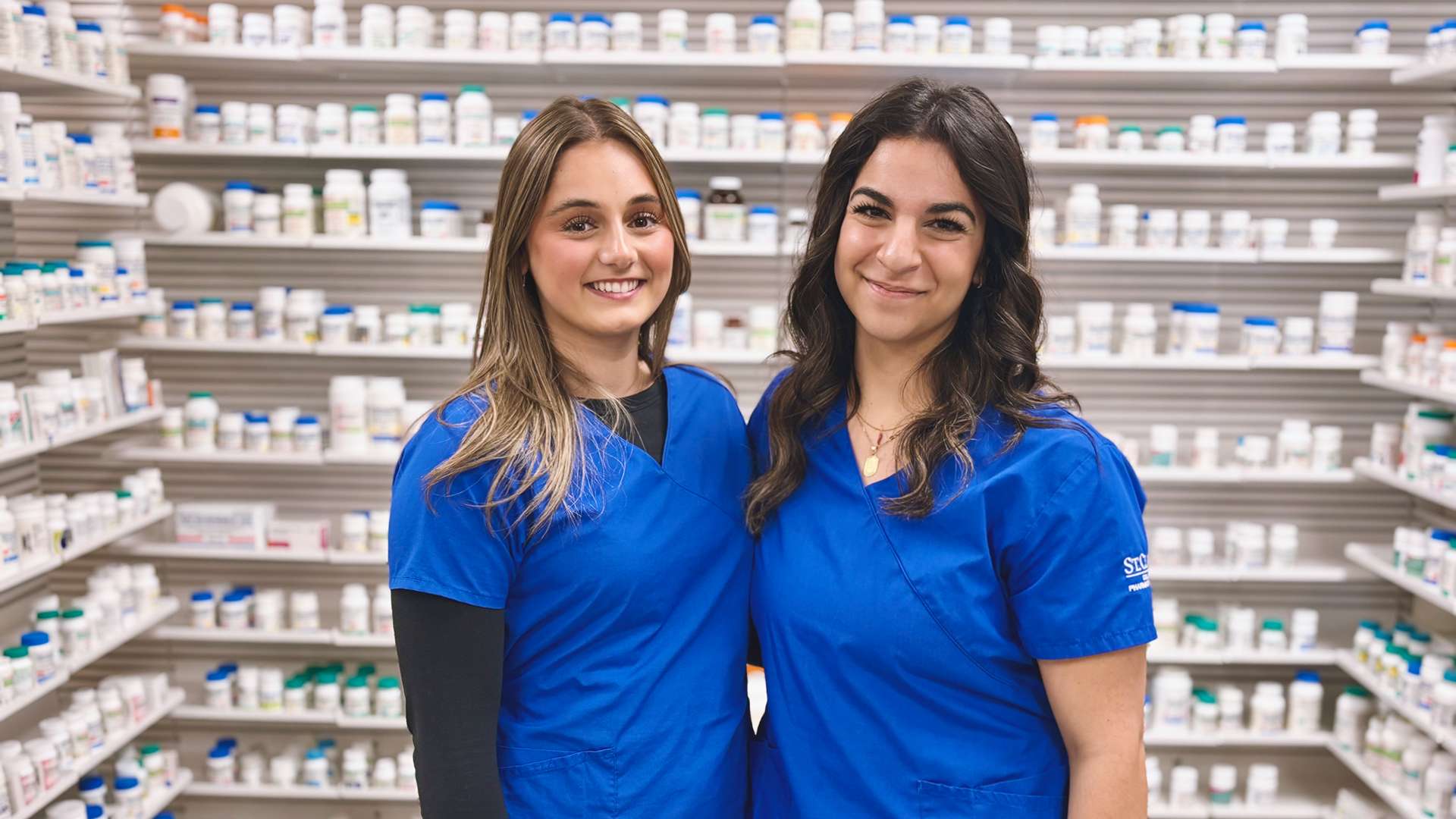
"I think it'll be a real eye opener, to be able to appreciate the things that we do have and provide help to these people is going to be a huge thing," said Alessandra Maltese, a second-year student in the Pharmacy Technician program. "This will benefit not only my practice, but my career, because I'll be able to do things outside of my scope and better understand what it means to actually be in a pharmacy."
Maltese, along with six other students and three faculty members, will soon discover that the pharmacy and surrounding healthcare settings in which they'll be working are vastly different from anything they've experienced in Canada.
"It's an unfortunate reality for a lot of people," said Jason Lozon, a second-year student in the Paramedic program. "My heart does go to these people. If I can make a little bit of a difference, as cliché as it sounds, that means volumes to me."
The Guatemala Hope mission will have more hands on deck this year, which comes on the heels of a highly successful trip in early 2025. Three Pharmacy Technician students and one professor made such a lasting impression on the doctors, nurses and Guatemala Hope team that more students from other programs in the School of Health Sciences were invited to join the mission in 2026.
"Because January 2025 was such a great success, we are delighted to be able to expand the number of participants we will take with us this upcoming January," said Louise Elliott, the director of operations for Guatemala Hope. "This will greatly expand the dental care we are able to offer, especially to the children we see. For most, it will be the only dental care they have ever received."
"The SCC paramedic team also will be a tremendous assistance to our overworked team of doctors and nurses," Elliott added, noting they usually travel with a team of roughly 30 health care personnel. "Having St. Clair College join our medical trips is a great assistance not only for Guatemala Hope but will also provide a life-changing experience for the students who join us in this labour of love!"
The multi-disciplinary team of students and faculty will be in Guatemala for a week-and-a-half, lending support in their respective specialized areas.
"This is truly a once-in-a-lifetime experience for our students, and I am grateful for the support that we've received from St. Clair College, as well as our community partners, because this is truly a collaborative effort," said Charlene Napolitano, a professor in the Dental Hygiene program. "This experiential learning experience will provide the Dental Hygiene students an opportunity to deliver preventive care and education within a global health setting, as well as an excellent opportunity to participate in interdisciplinary collaboration at its finest."
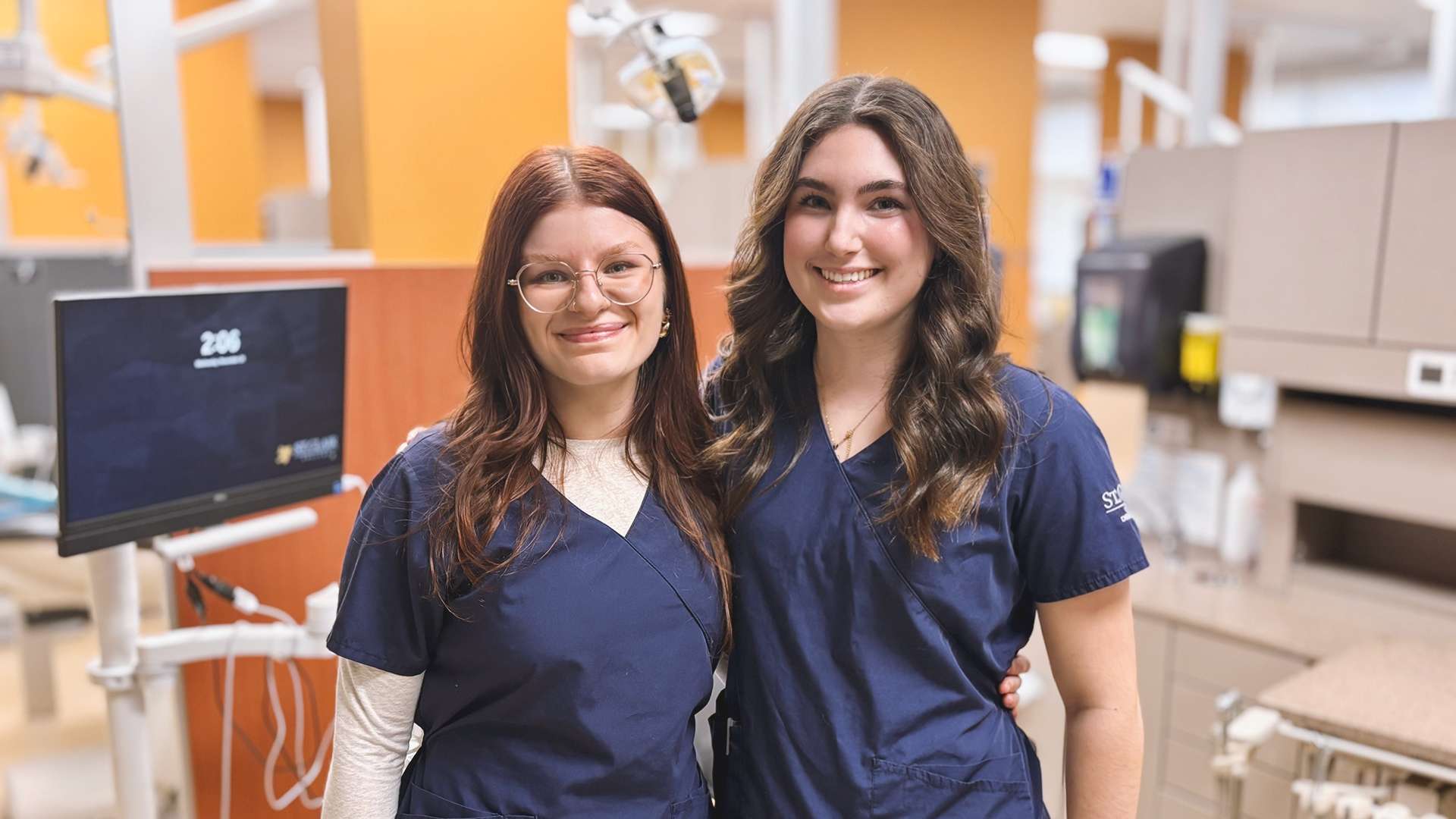
Caroline Bemben, a third-year student in the Dental Hygiene program believes this trip will help shape her professional path.
"A lot of people think of hygienists as just cleaning teeth, whereas we can get involved with research, with public health with a bunch of different things," Bemben said. "I think it'll be a very educational experience on my end and also providing education to villagers as well."
Michelle Wielink said she jumped at the opportunity to be part of the Guatemala Hope trip because she will gain new perspectives and learn about treatments and diagnoses from other passionate professionals.
"I'm very excited to see what I can learn from the other people on the trip, the doctors, the nurses – people who have done this trip before – and just work with all those disciplines and see what we can accomplish," said Wielink, a second-year student in the Paramedic program. "It's so great to know that people believe in our ability and our skill sets, even though we're still in school and learning. But they still want to take us with them to get this opportunity to learn and hopefully make a difference."
Secon-year student Josie Beneteau already boasts about the College's Paramedic program and faculty to her friends and family but knows the opportunity ahead of her is what makes the program unique.
"We learn through experiences. We learn through practice. We learn through making mistakes," Beneteau said. "I can't wait to be able to use everything we've learned and help as many people I can."
"Being able to gather everything I've learned here and then put that to practice somewhere else, I'm excited," added Miranda Rawlings, a second-year student in the Pharmacy Tech program. "Any way I can help at all and just make that day even just a little bit better for the villagers is very rewarding."
"I'm just excited to be able to use the skills I've learned in school and my knowledge to help people down in Guatemala," said third-year Dental Hygiene student, Victoria Newcombe.
Dr. Kaitlyn Harnden has walked this road before, the only returning St. Clair College faculty member going to Guatemala. It was the experience she and her students shared with the Guatemala Hope team and villagers in 2025 which paved the way for this next trip, where St. Clair College representatives will account for one-third of the health care team.
"I think it allows us to really fit in where we can and show the rest of the community what we can do here at St. Clair College," said Dr. Harnden, noting the students who attended the 2025 trip are still talking about its lasting impact.
"They talk about how it's still changing the way that they talk to patients and realize that those things that they learned there is affecting their work here," Dr. Harnden said. "Even though we're not at the level of poverty in Windsor that they are in Guatemala, there is still poverty here, and there is still that health disparity. Now that we've seen it, we're able to take those lessons back home."
Each member of the team will lug a hockey bag filled with 150 different medications, including 40,000 vitamin pills, thanks to the generosity of local individuals.
"I have every single med I want on my list, and we spent less than $4,000 on everything," said Dr. Harnden. "All the rest were community donors, including pharmacies and individuals who said, 'I heard about your trip, and we want to help.'"
"This is Windsor-Essex," she added.
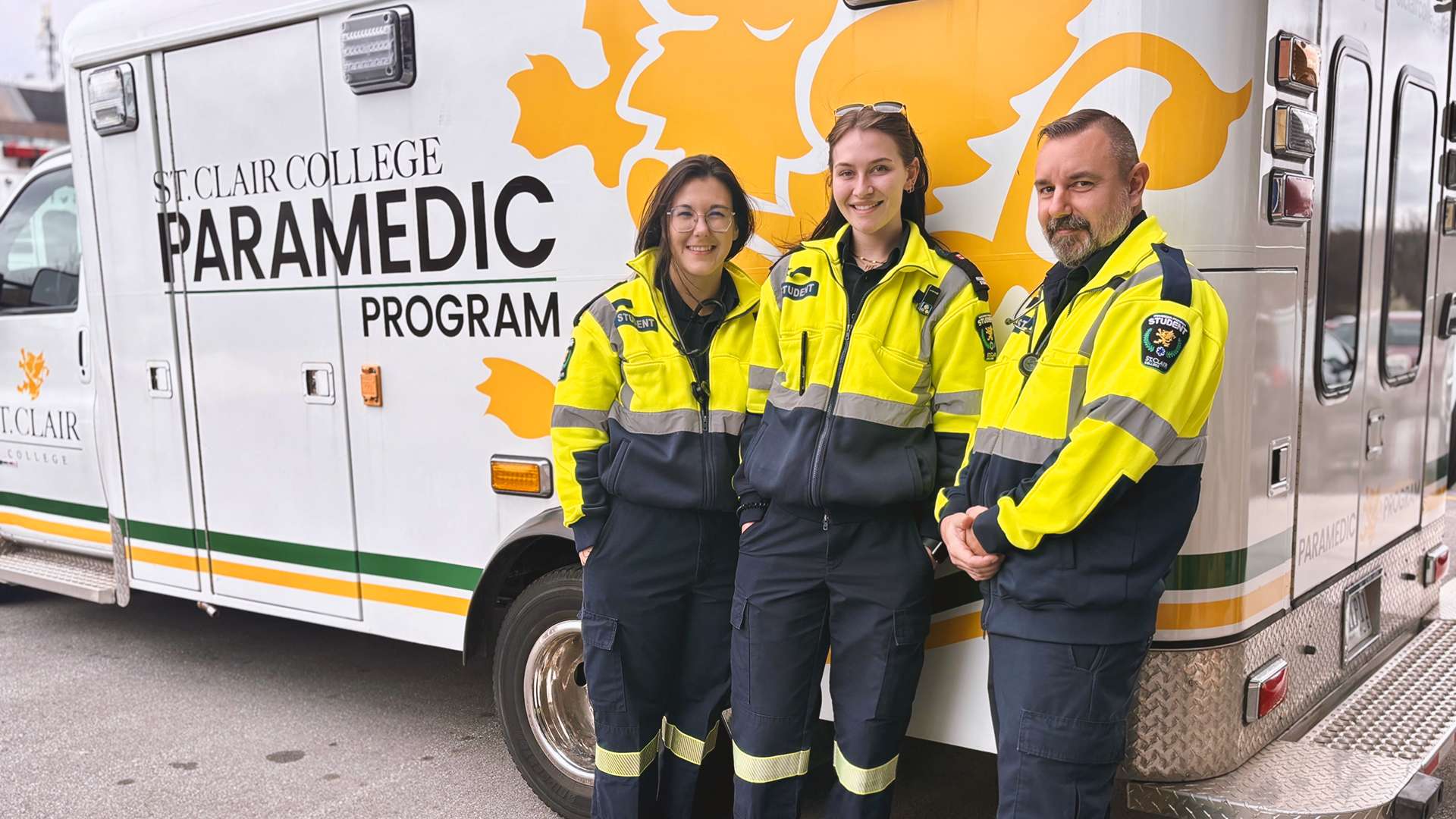
Ryan Cloutier, a professor in the Paramedic program, is travelling to Guatemala for the first time. He's been working as a primary care paramedic for 14 years and says being invited to contribute to a mission like this feels both "humbling and energizing."
"We teach students about community, service, and caring for vulnerable populations — this trip is a chance to live those values in a very real way," Prof. Cloutier said.
"This is a unique opportunity for students to see healthcare in a low-resource setting, where every assessment, every medication, and every piece of equipment really matters," Prof. Cloutier added. "They'll get to practice core skills like patient assessment, communication, and teamwork, but also softer skills that are just as important: cultural humility, adaptability, and problem-solving under pressure."
During his time in Guatemala, Cloutier will be supporting the medical team with patient assessment, and treatment, working alongside the physicians to triage, assess, and manage patients. And now, his three paramedic students get a first-hand display of patient-centred care.
"I'll also be there to coach our students in real time — helping them connect what they've learned in the classroom and labs to real patients and real community needs," Cloutier said.
"I expect this experience will be transformative — for both students and faculty," he said. "For the students, I think it will deepen their understanding of why they chose a health profession in the first place. For me, I'm expecting to come back with new perspectives that will directly inform my teaching: more real-world examples, more focus on global health, and a renewed emphasis on empathy and advocacy in paramedic practice."
Cloutier said this trip is about far more than "going somewhere to help." It's learning with and from the local community and partners, taking in the culture and making a real and lasting difference.
"My hope is that students come home not only feeling proud of the care they provided, but also with a greater appreciation of equity, access, and the social determinants of health," Prof. Cloutier said.
"Experiences like this are exactly what prepare them to be compassionate, adaptable, and community-minded professionals here at home as well."