In the 1970s, St. Clair was a brand-new College, with a burgeoning – albeit very small campus footprint in South Windsor.
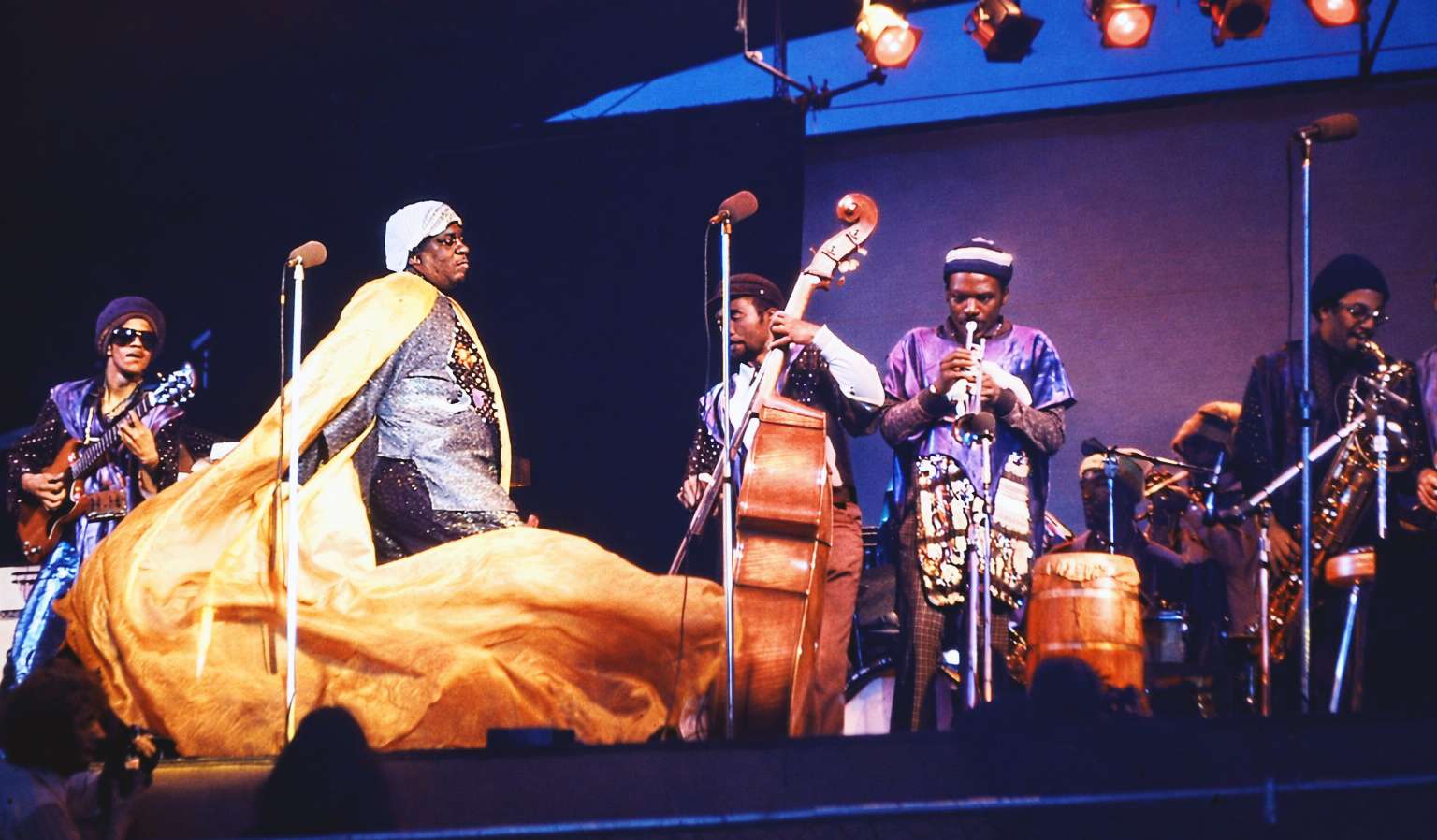
And on one fateful weekend in 1974, the College's Main Windsor Campus was transformed into the St. Clair College Amphitheatre – referred to by many as Griffin Hollow – to host a prolific lineup of blues and jazz artists who were kicked out of Ann Arbor, Michigan, and needed a venue.
That story of The Ann Arbor Blues Festival in Exile is captured beautifully by local filmmaker and historian, Mike Evans – premiering at the Windsor International Film Festival on Oct. 31, 2026.
"I dug really deep. There was very little information about this obscure festival from 50 years ago," said Evans, who in 1974 was but a mere twinkle in his parents' eyes. Despite this, he made it his personal mission to bring the story back to life, with the help of some local people who were there, including long-time St. Clair College employee, Bill Totten.
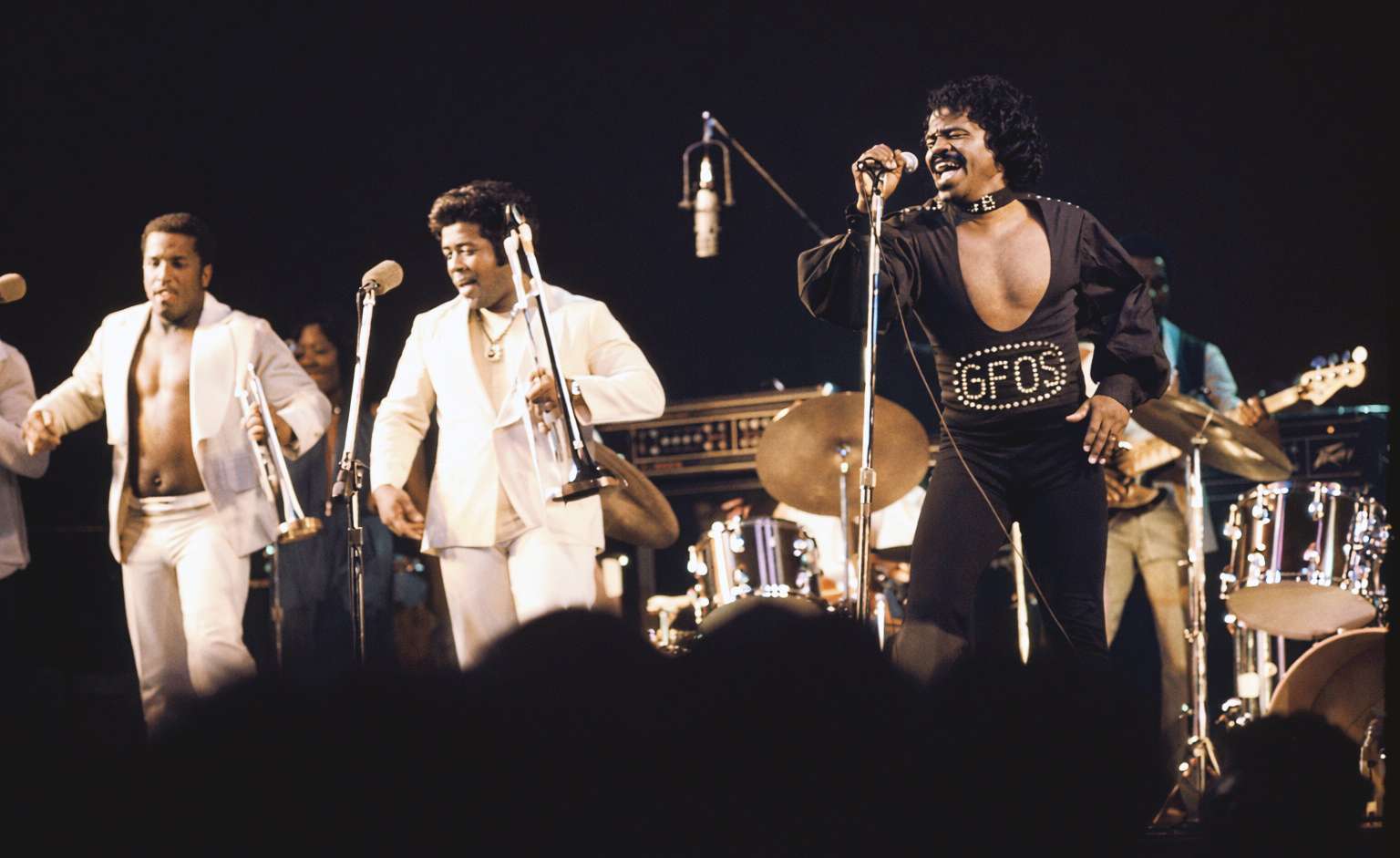
So how epic was this festival? Think James Brown. John Lee Hooker. B.B. King level epic. They were scheduled to play in the well-established blues festival in Ann Arbor, but as Evans explains, state government of the day had changed, and the prevailing wisdom decided the festival was no longer welcome in Michigan.
"They were like 'you're wrecking things and we don't want you in our city. So, you've got to leave,'" said Evans, noting the festival was dubbed both "concert for the ages" and a "beautiful mess."
Organizers still wanted to host the festival but needed to look south to Windsor – and found Griffin Hollow. Most locals had been utilizing the space as huge toboggan hill, but it was about to become the site of a classic weekend festival – and the rest is history.
Making the movie – and finding the right people
How Evans found the material he needed for the story is almost as interesting as the movie itself.
A chance encounter brought Evans into contact with a local film and projector collector who had just digitized some old photos of concerts. One of them was at St. Clair College.
He went through one picture after another until they landed on a slide – a wide shot of the stage at the blues festival – where Evans saw an unmistakable image of his father, who was a rookie police officer at the time.
"And I'm like, that's my dad standing on stage as an off-duty cop, wearing the uniform, you know, with the shiny boots and the gun and the Sam Brown leather belt strap in his profile," recalled Evans. "And so as soon as I saw that, I knew this is my hook. This is my way into this story."
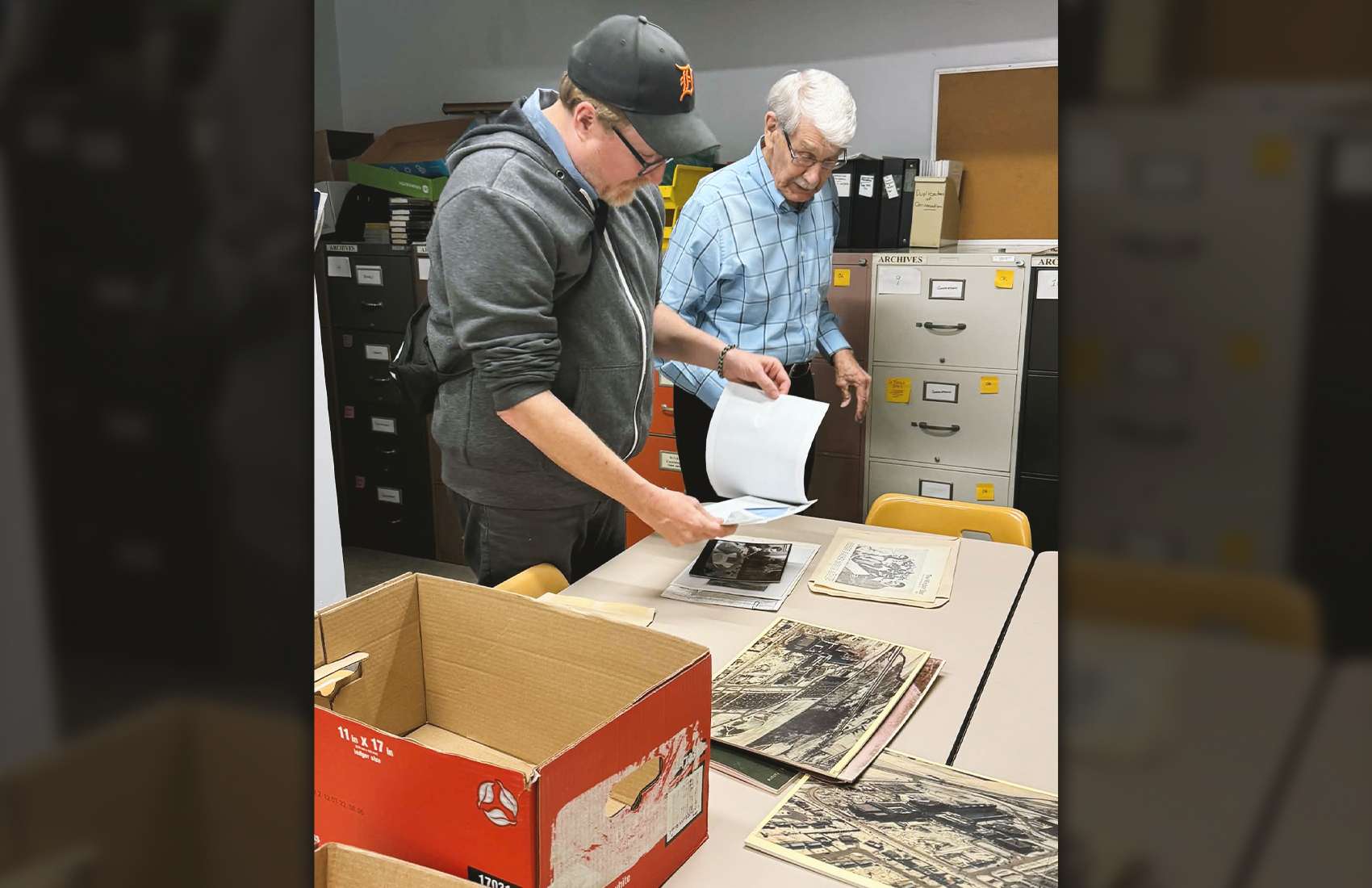
Evans collected the relevant photographs from his new source and started hunting for more.
"And then when you meet one, you're like, who did you go with? And they're like, 'I was with this guy.' Do you think he has any? What's his name? How do I spell it?" Evans said, which kicked off a flurry of contacting anyone and everyone with leads, building up his photo stock.
Evans ended up with about 300 unique photographs in the documentary but was missing some of the key narratives.
"I was talking with (Sr. Vice-President) John Fairley, and I'm telling him that I'm making this movie and he's like, 'you're not making this movie unless you talk to Bill Totten."
Totten is one of the pre-eminent figures in the Colleges' history. He created the convocation process. He founded the Alumni Association. He was the College's longest serving Registrar. He served as president of the Retirees' Association. He is, in a nutshell, Mr. St. Clair.
And most importantly for Evans' documentary, Totten, now in his 90s, was instrumental in bringing the concert to Griffin Hollow. And he was there.
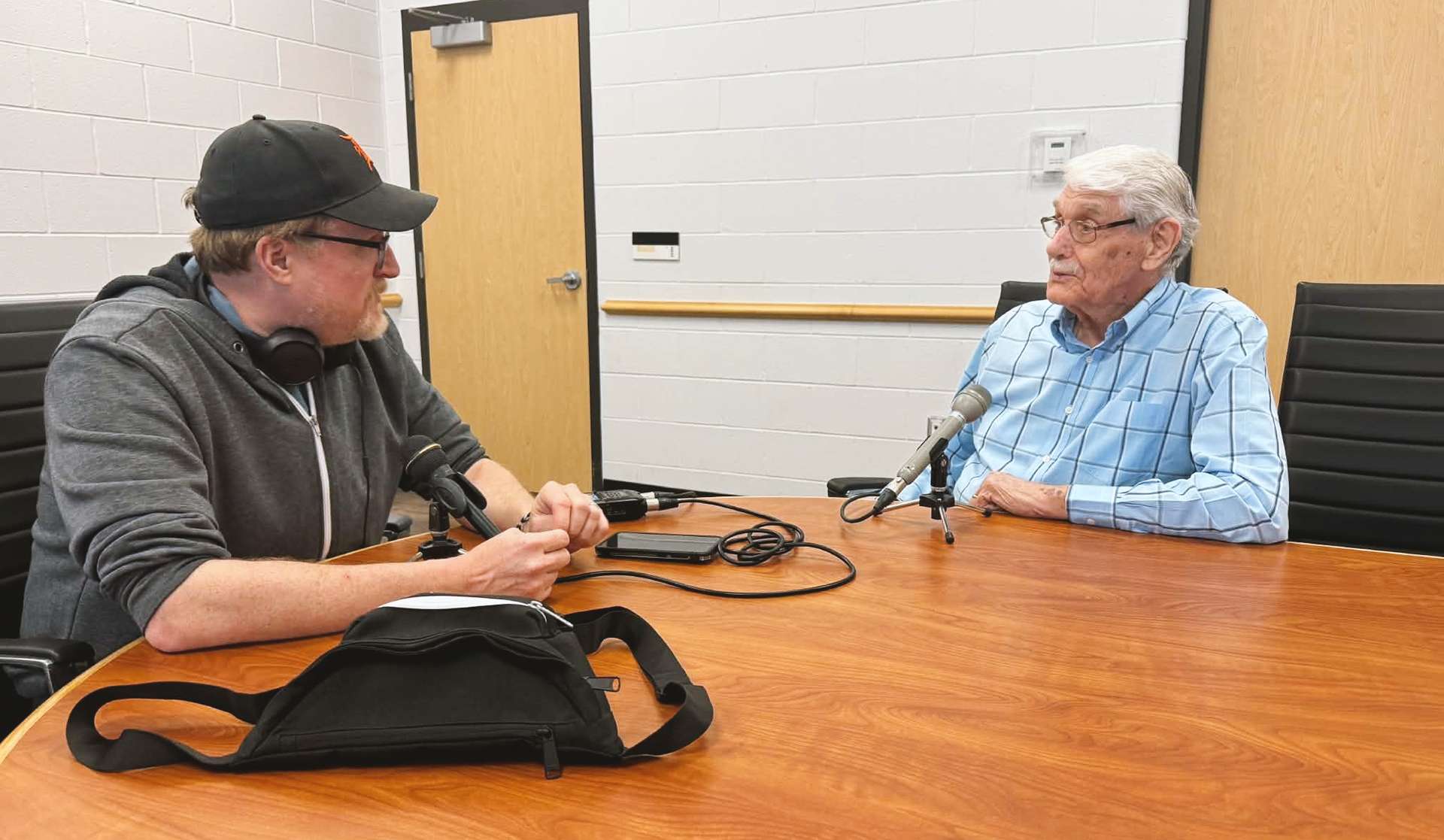
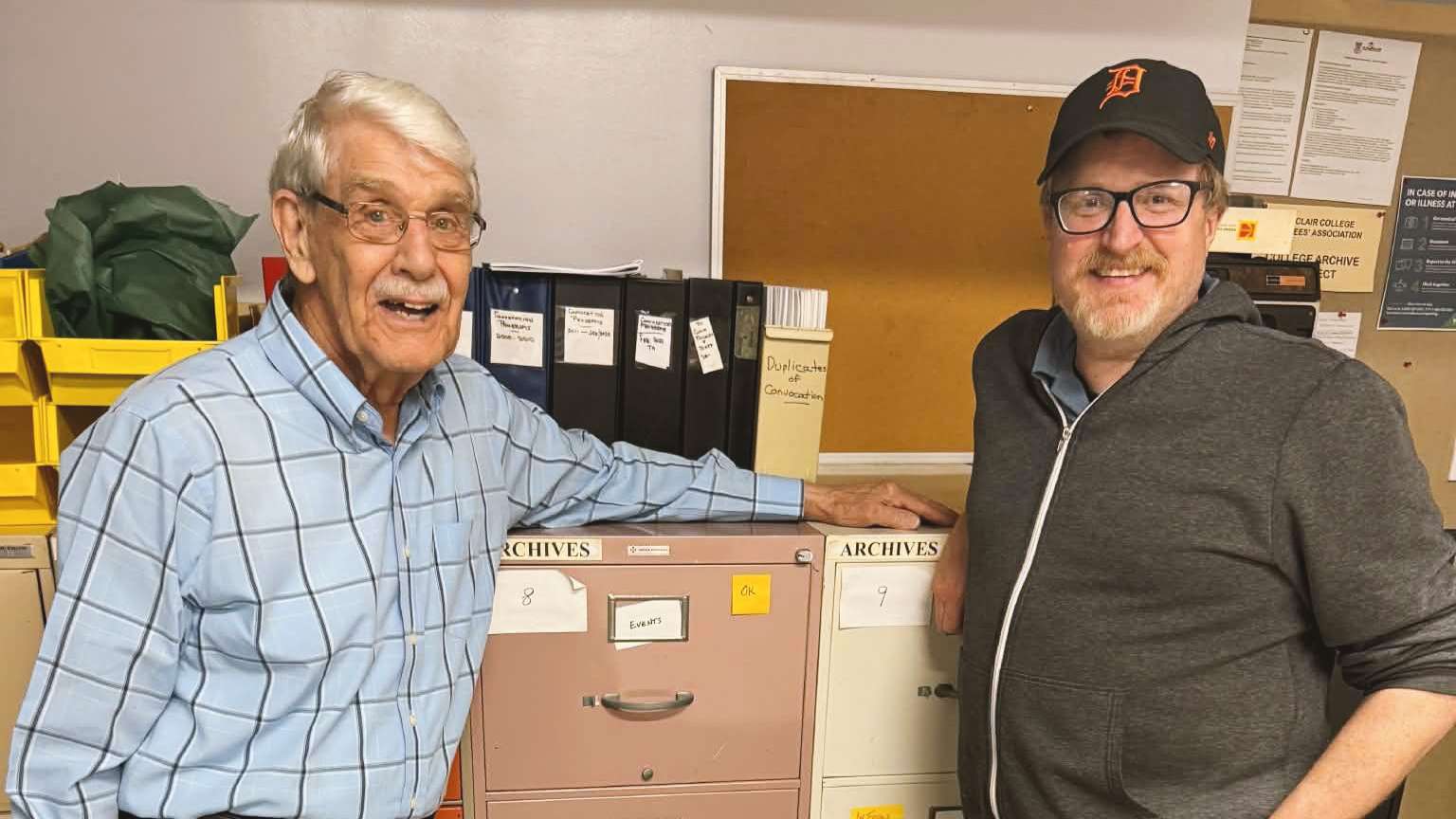
"So, I go to the College and Mr. Totten takes me through the archive room, and then we interviewed him, and I got some really, really good stuff from someone who was basically one of the cornerstones of the whole festival," said Evans.
"The whole documentary revolves around him and his story, his perspective. Yeah, it was really cool."
The documentary explores how the festival came to Windsor, featuring first-person interviews with those who provided photos, as well as the story from Bill Totten.
"It is a chronology of that weekend: what went right, and what went wrong," said Evans.
More about the WIFF screening
This is Evans' fifth movie to screen at the Windsor International Film Festival. He previously released four other hyper-local flicks, including Finding Feather Hat Guy, A Year in the Forest, It Happened in Walkerville, and Willistead Manor: The Home That Shaped a Community.
Evans is also a longtime producer and videographer for CBC Windsor.
The Ann Arbor Blues Festival in Exile screens on Oct. 31, 2026, at 6 p.m. at the OLG Pentastar – Capitol Theatre, as part of block two of WIFF local shorts.