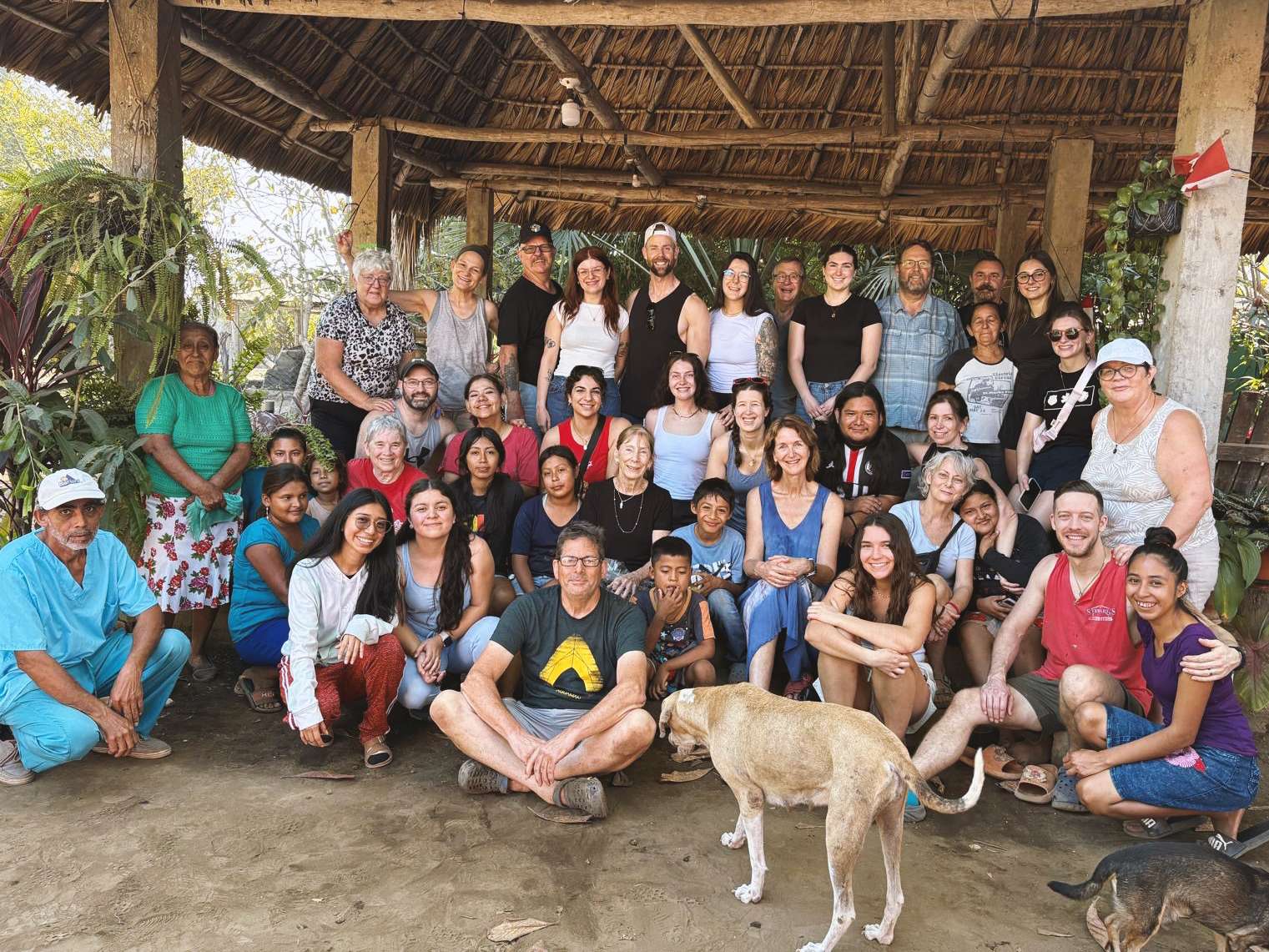
For 10 days in January, seven St. Clair College students in the School of Health Sciences, accompanied by three professors, received an education you can't read about in textbooks or practice in a clinical lab.
Students and faculty from the Pharmacy Technician, Dental Hygiene and Paramedic programs joined local mission group, Guatemala Hope, to provide essential health care, dental care and medication to people in the remote Village of El Triunfo, Guatemala.
Aside from dispensing medications, treating wounds, and completing dental screenings for more than 1,000 patients, these students honed their soft skills, practicing the fine art of compassion, empathy, adaptability, and the art of meaningfully connecting with patients.
"This mission experience helped cultivate those qualities in a way no classroom ever could. It's the epitome of experiential learning," said Prof. Kaitlyn Harnden, who made her second trip with Guatemala Hope. "At St. Clair College, we intentionally create opportunities that shape not just competent professionals, but compassionate ones."
"This experience set our students apart," Prof. Harnden said. "It accelerated their professional growth in ways that would otherwise take years to develop."
The villagers of El Triunfo lack access to many essential needs, including advanced medical and dental practitioners, and rely on the annual trip for check-ups, treatment, and medical intervention.
During the trip, students were fully immersed in a resource-limited, fast-paced clinical environment while also adapting to a different culture and way of life. They applied their academic knowledge in real-world conditions, often facing challenges such as limited supplies, lack of infrastructure, long working hours, and physically demanding conditions.
And they managed it like pros.
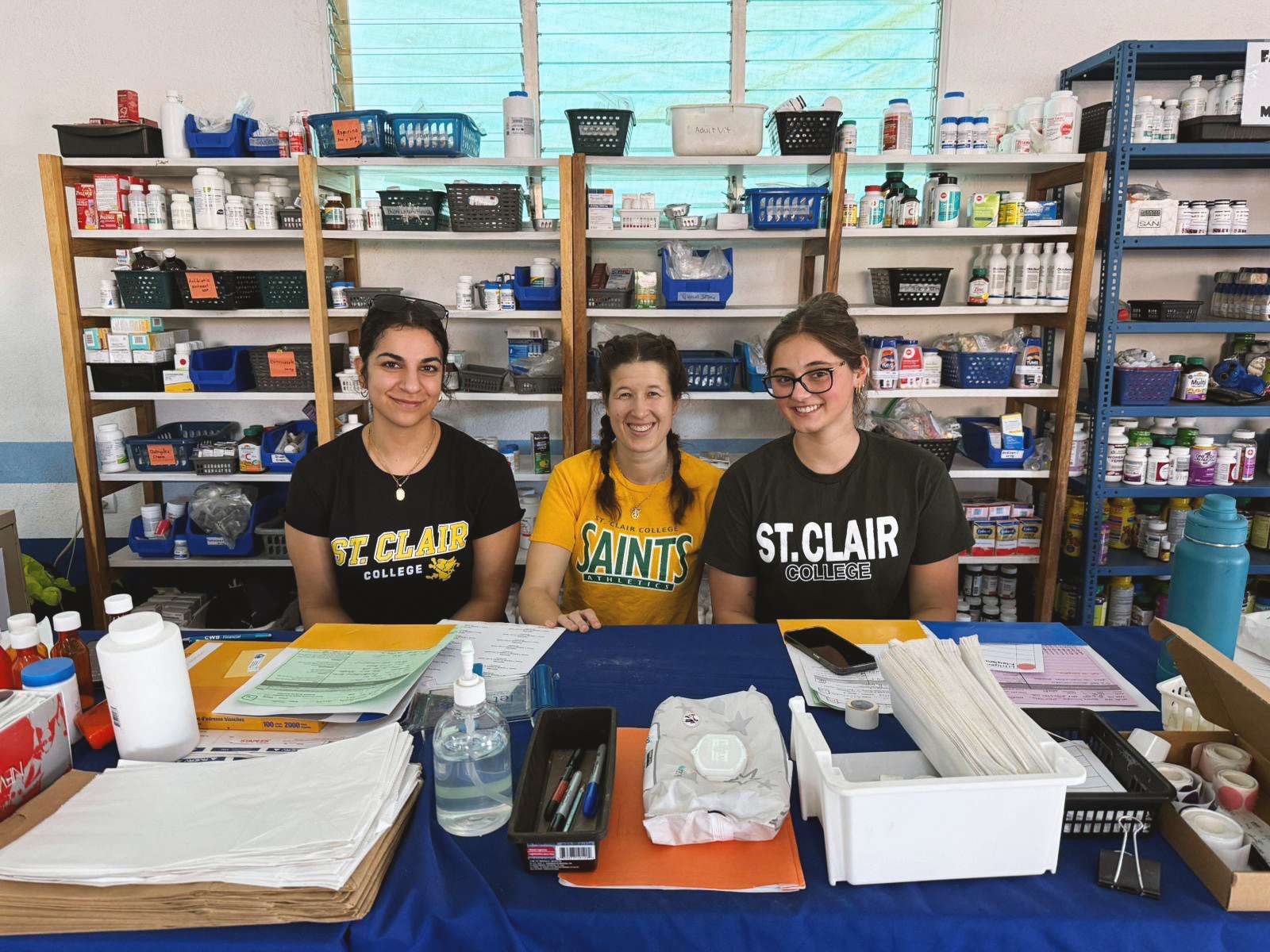
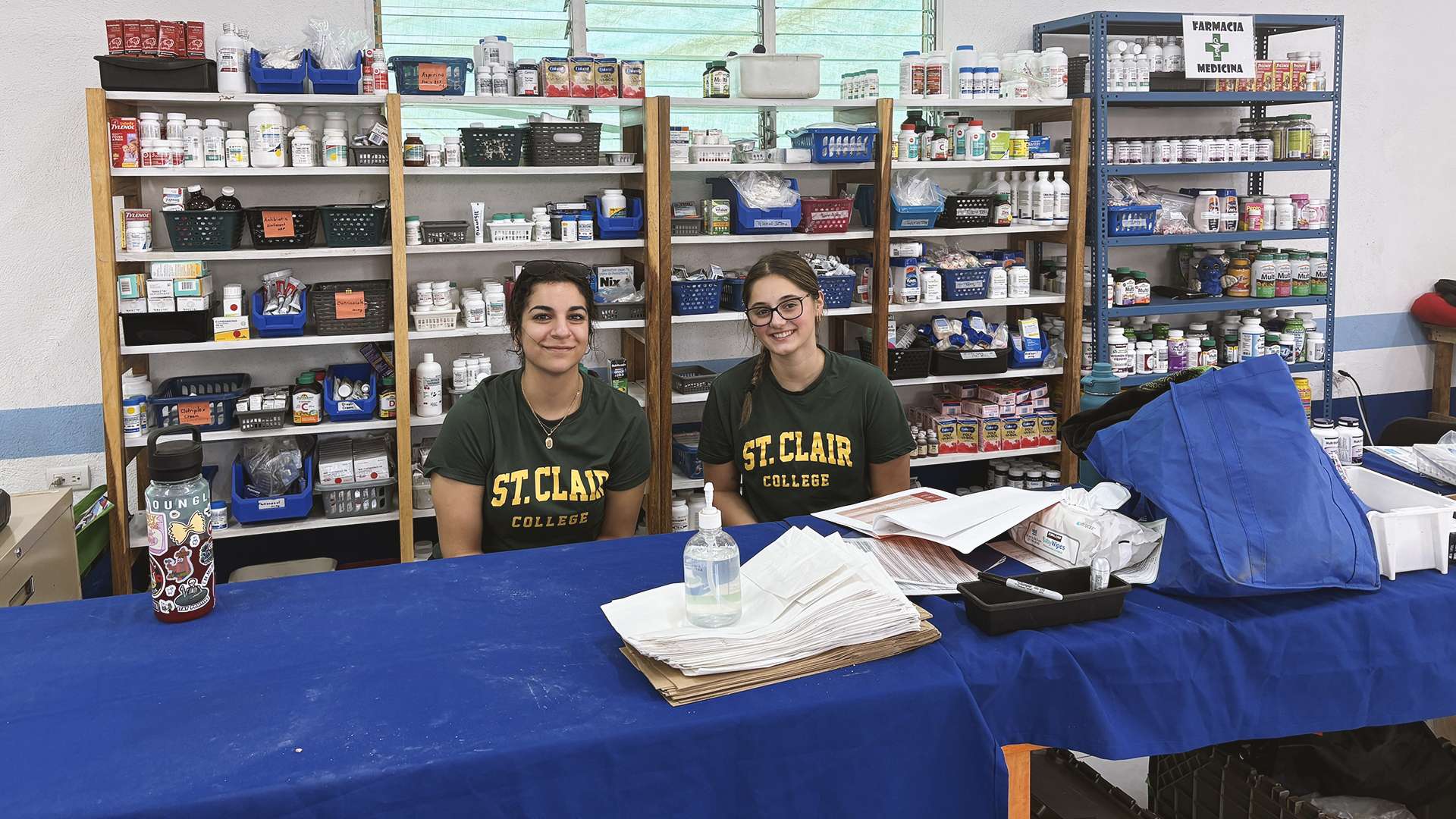
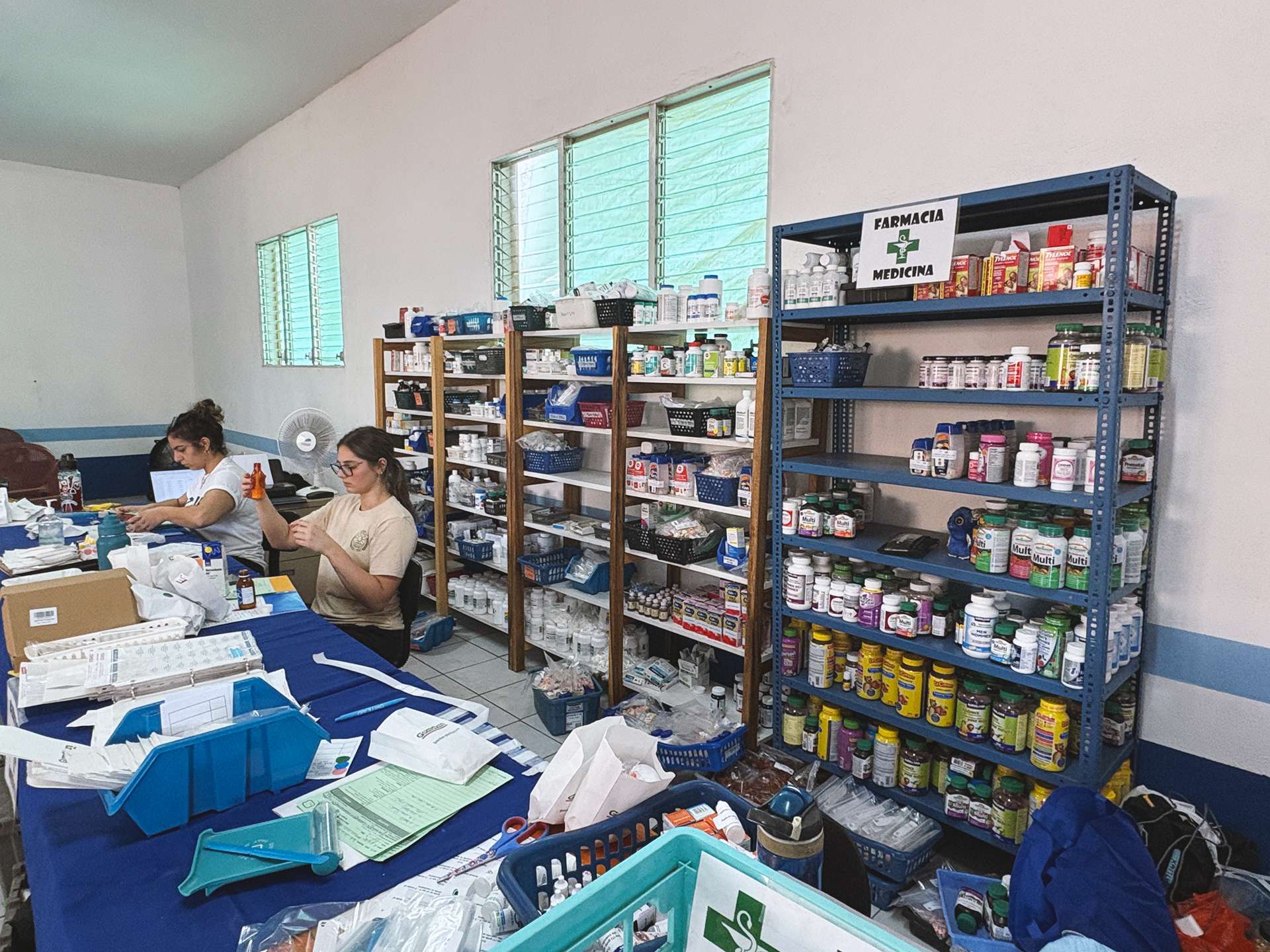
The pharmacy processed 3,000 to 4,000 prescriptions in less than a week, but maintained professionalism, positivity, and a genuine desire to serve.
"Experiential learning at its best challenges both competence and character," said Prof. Harnden. "This trip did both."
Alessandra Maltese is a second-year student in the Pharmacy Technician program at St. Clair. She wanted to be part of the trip to help people in need.
"Having the opportunity to be the reason someone feels slightly relieved of whatever problems they may be facing is an incredible feeling," said Maltese, "To be able to deliver that type of care to people who can't just walk into their local drug store and get what they are looking for was a big deal for me."
Maltese said the biggest challenge was providing the best possible medication therapy with limited resources, especially as the team began to run out of supplies near the end of the trip.
"We had to resort to unconventional means to treat patients to the best of our ability," Maltese said. "This really forced me to use critical thinking with guidance from my professor to continue to treat our patients."
Despite the obvious challenges and barriers presented, Maltese said she was able to create lasting relationships with the patients she helped.
"The villagers welcomed us as people they've known for years. They took every opportunity to hug us, thank us, or show their gratitude in whichever way they could," she said. "It is difficult to comprehend how much our work means to them. It was honestly such a beautiful experience, and I will forever be grateful to have been able to put smiles on the faces of hundreds of wonderful people whom I will never forget."
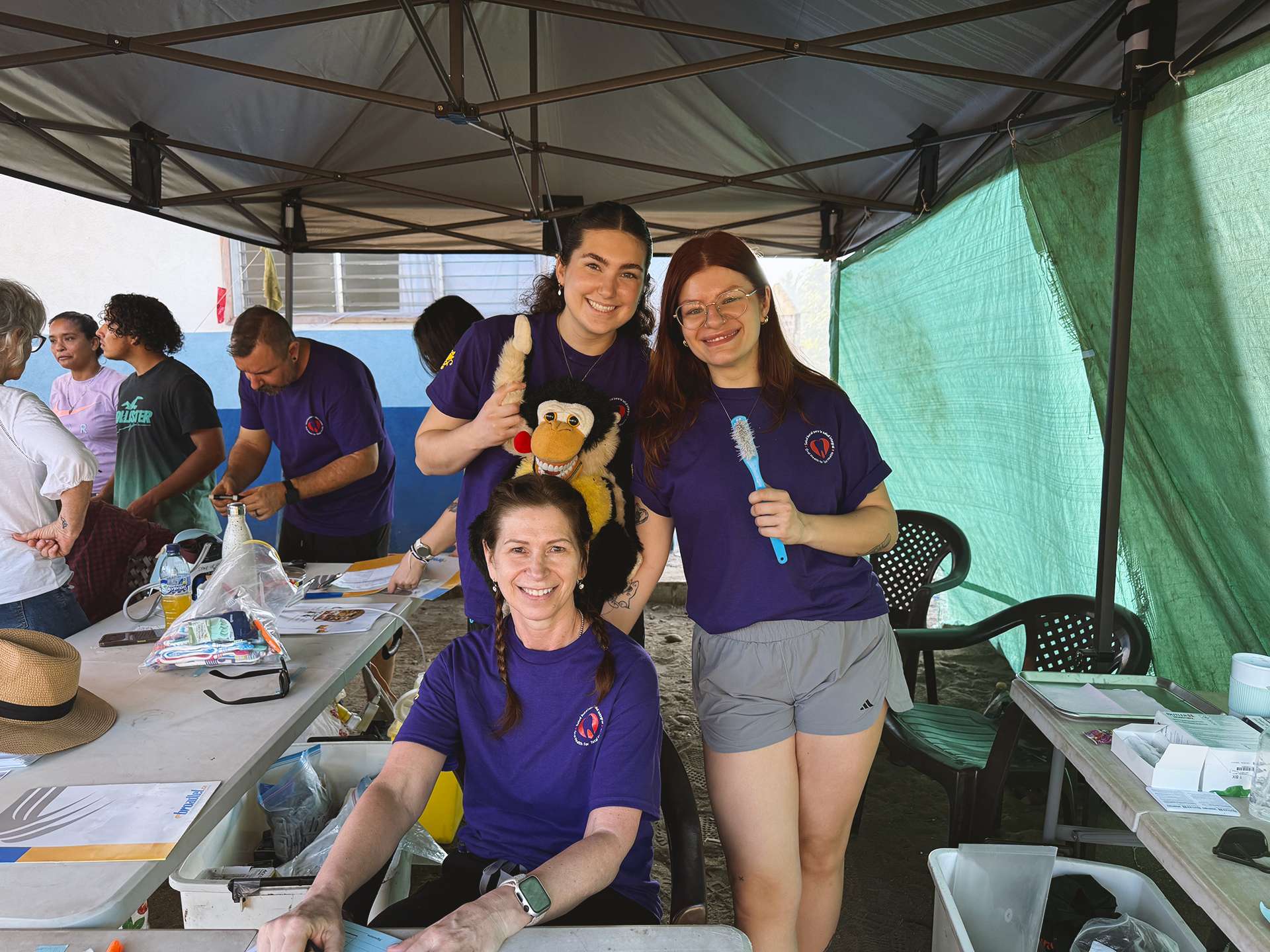
The Dental Hygiene and Paramedic programs were new additions to this year's mission trip, as last year, only students in the Pharmacy Technician program travelled to Guatemala.
Dental Hygiene and Paramedic students were brought in to provide a full complement of health and dental care services to the Guatemala Hope team.
"The people came to us with trust and need, and we were there with the skills to help," said Caroline Bemben, a third-year Dental Hygiene student. "The connections I made weren't just with my fellow team members, bound by our shared purpose, but with these patients who trusted us with their health."
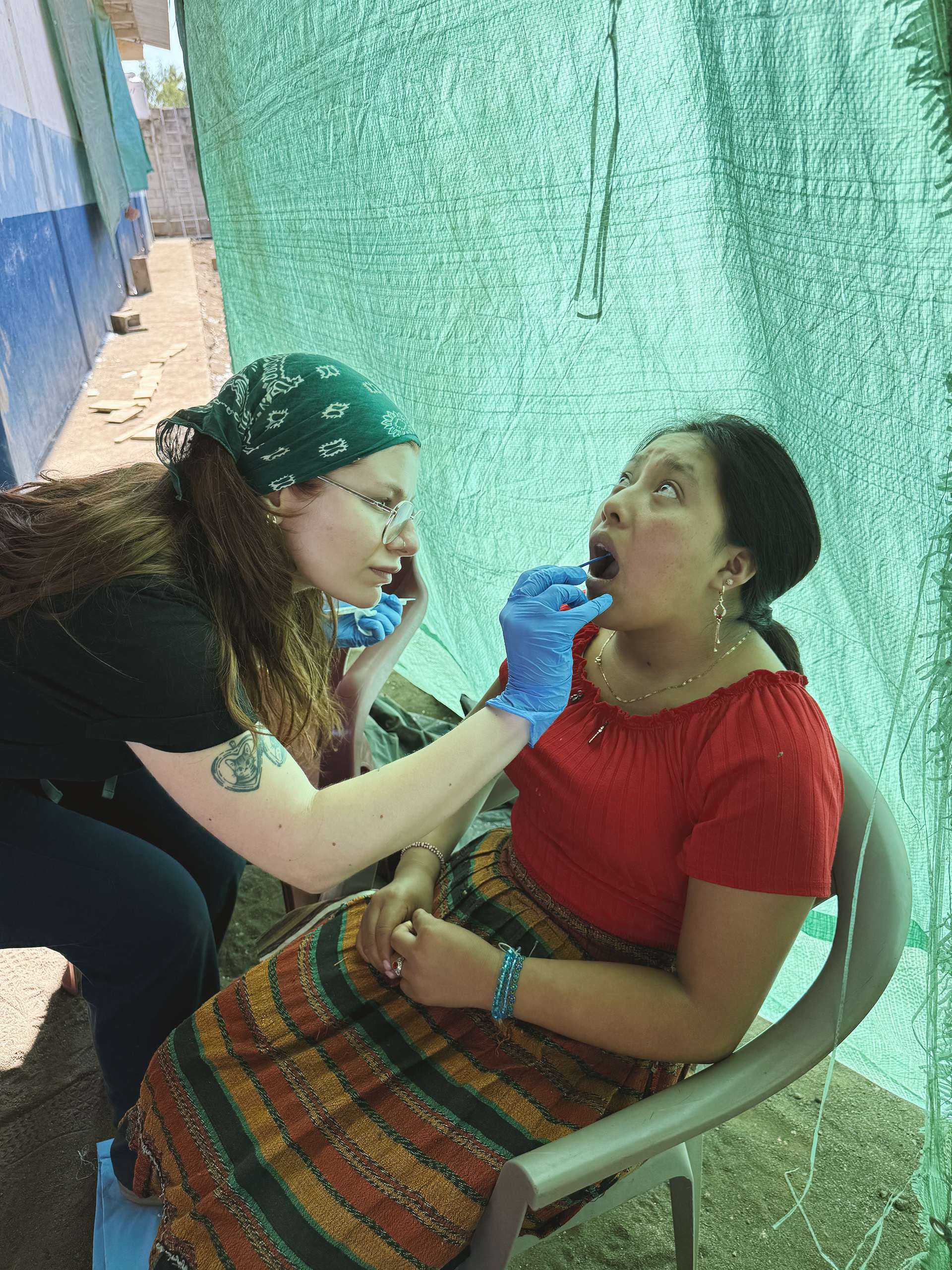
Bemben was quick to point out that clean running water and electricity in El Triunfo are luxuries, not guarantees. Patients aren't sitting in comfortable ergonomic dental chairs: they sit in lawn chairs. And yet, the villagers did not complain – they were overly thankful for the care they received. This cultural perspective was yet another important element of her education.
"The culture was one of profound warmth, resilience, and support. Everyone knew everyone, and everyone took care of everyone," she said.
Bemben said she was forced to pivot and adapt her dental care plans, depending on the situation, resources available and the urgency of the patient's needs.
"This stripped-down approach to patient care, focusing on connection and body language over explanation and jargon, and having to adjust as quickly and as often as we all had to, are skills I will carry with me forever," she added.
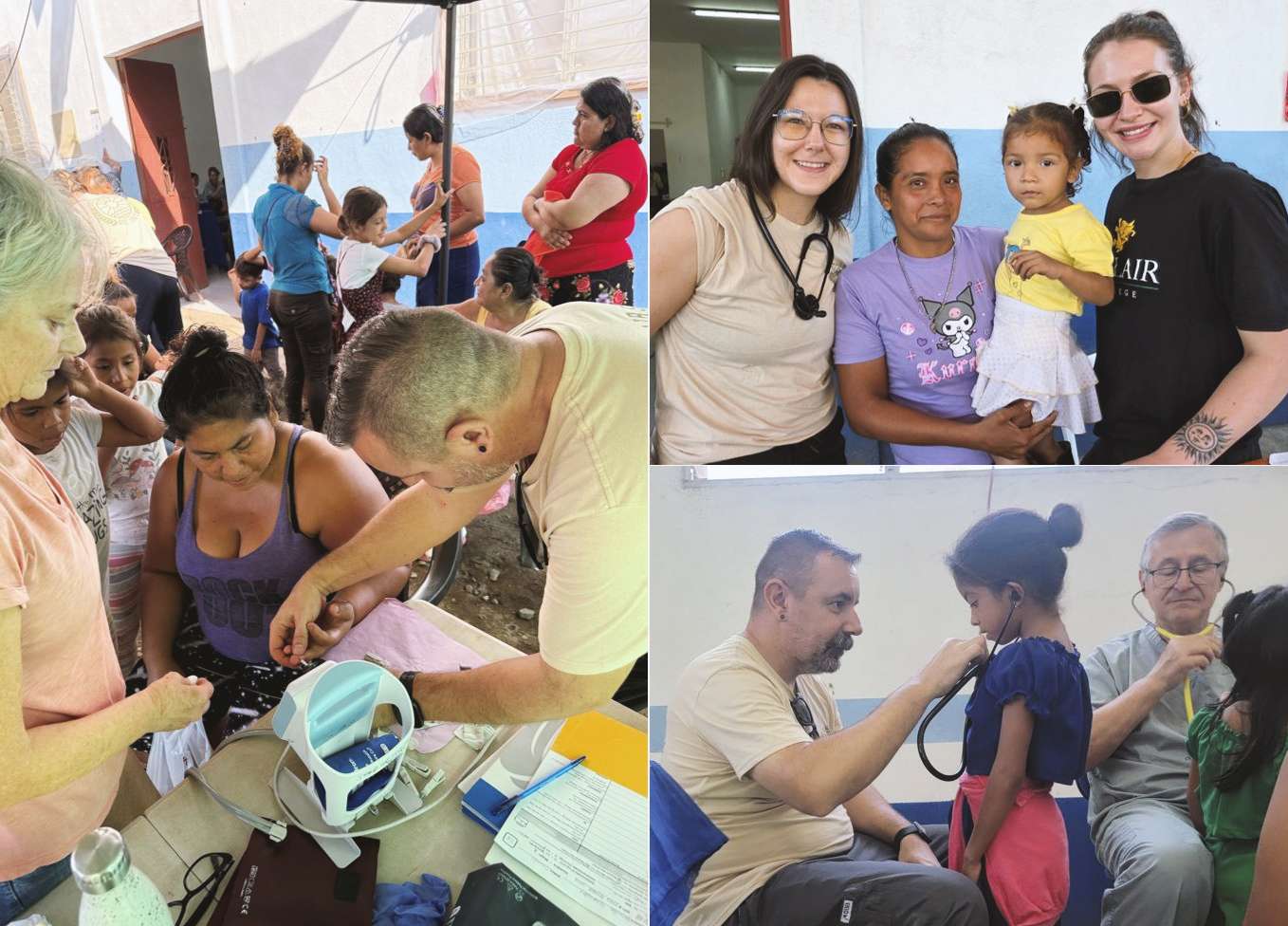
"Being in Guatemala allowed students to truly learn by doing," said Charlene Napolitano, a professor in the Dental Hygiene program who took part in the mission. "They saw first-hand how practicing with compassion can overcome language and cultural barriers. These are the same skills and perspectives they'll need once they graduate and enter practice."
Napolitano noted the pace was much faster, the days more rigorous, and the conditions much harsher than the students were used to, giving a unique appreciation for the resources and access to care we often take for granted in Canada.
"The biggest takeaway for me was watching the students' compassion and kindness shine through in every interaction. I observed how much they genuinely cared for each patient and how they went out of their way to provide support," Prof. Napolitano said. "In just 10 days, they became part of the community. It was clear how much of an impact they made, especially in the way the villagers expressed such sadness when it was time to say goodbye."
Victoria Newcombe, also a third-year student in the Dental Hygiene program called the experience "humbling" and perspective-building.
"In Canada, it's easy to rush through life and overlook simple acts of kindness toward strangers," Newcombe said. "In Guatemala, those small gestures felt intentional and meaningful, and that is something I will always remember."
She said the experience reminded her of the importance of treating each patient as an individual rather than as a name on a chart.
"I learned the value of slowing down, being present, and ensuring that each patient felt seen and cared for," she said. "It reinforced why I chose this profession: to improve people's health and wellbeing. And it strengthened my commitment to approach every patient with compassion."
Prof. Ryan Cloutier, who accompanied students from the Paramedic program, said the trip helped create perspective.
"This wasn't a simulation with a plastic mannequin; it was 'medicine in the mud,'" Prof. Cloutier said. "In the back of a modern ambulance, students rely on monitors, steady power, and a predictable supply chain. In Guatemala, they learned that the most important diagnostic tool is the person sitting in front of them."
Without immediate access to their standard equipment, students were forced to sharpen their physical assessment skills, relying on sight, sound, and touch.
"They learned to provide high-quality care in non-traditional environments, preparing them for the 'uncontrolled scenes' that define a career in EMS," Prof. Cloutier said.
He said the students gained advanced clinical mentorship from the attending physicians on the trip, expanded their technical proficiency, learned more about pharmacological operations and the benefits of a collaborative culture.
"The students didn't just function as paramedics-in-training; they became integral members of a holistic healthcare team," added Prof. Cloutier. "By immersing themselves in the entire clinic ecosystem, they gained a 360-degree view of patient care that is rarely available in standard field rotations."
"By rotating through these various stations, the students learned that the best patient outcomes are achieved through interprofessional synergy," he said. "They didn't just see a patient in a vacuum; they saw the journey from intake to diagnosis, treatment, and pharmacy."
The biggest takeaway Cloutier witnessed was the shift from "student" to "provider."
"I watched them stop looking to me for the answers and start looking to each other. They stopped being individuals worried about their grades and started functioning as a high-performance clinical team," Prof. Cloutier said. "They realized that while they are still learning, they already possess the power to change a life's trajectory."
The seven students and three faulty members left for Guatemala with a general concept of what they'd be doing for villagers.
What they did while there was help lay a critical foundation for preventative care that will hopefully benefit El Triunfo for years. The group returned to St. Clair College as changed people, carrying lessons, perspectives and experiences that will stay with them for a lifetime.
"Whether you are in a skyscraper in a major city or a hut in the Guatemalan highlands, the core of the job remains the same: showing up for people on their hardest days," Prof. Cloutier said. "These students didn't just represent their school, they represented the future of a more compassionate, globally aware health care workforce."
"This trip cemented my passion for public health and community outreach," said Bemben. "It was a powerful reminder that, at their cores, dentistry and dental hygiene are about people."
Prof. Harnden, who helped organize the first St. Clair student trip with Guatemala Hope, said her second visit taught her to be more present and created space for deeper reflection.
"This experience reinforced for me that our education is not just a means of earning a living – it is a tool for doing good," she said.
"We are privileged to have access to education and professional training, and with that privilege comes responsibility. We can use our knowledge not only to build careers, but to make the world better."